An online pharmacy specializing in skincare and beauty products with special prices and offers
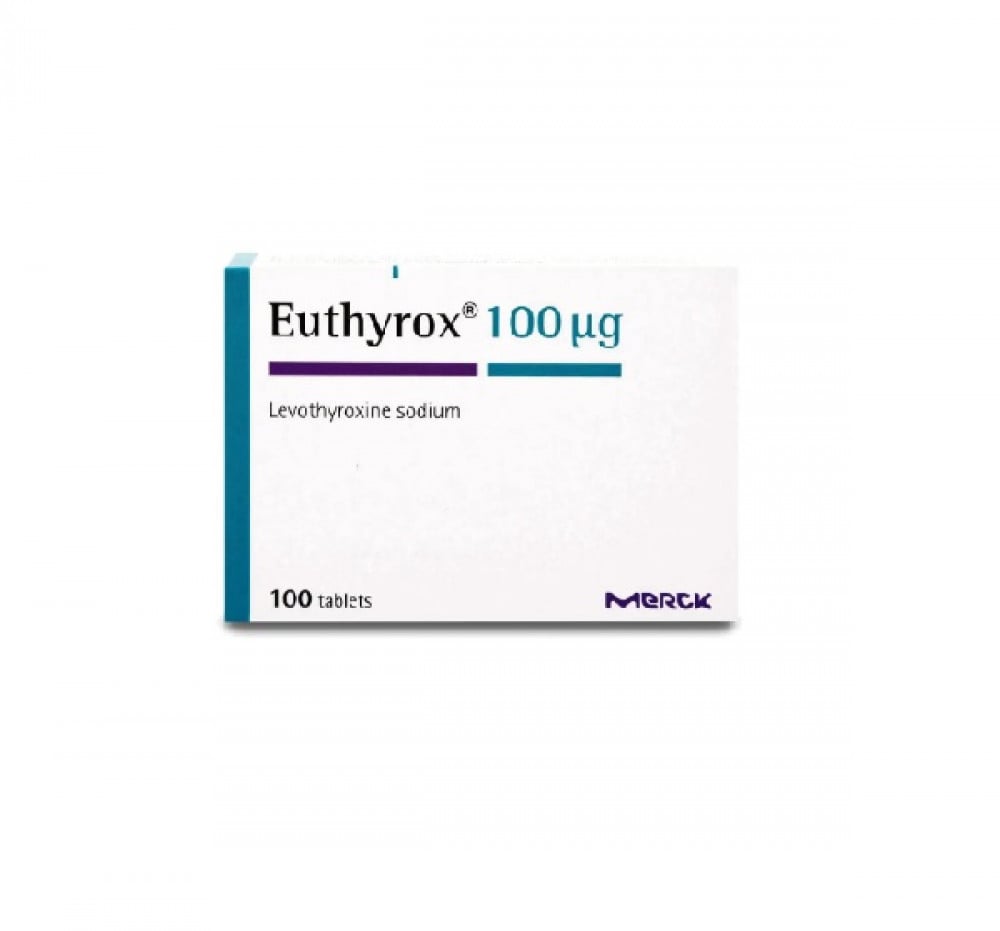
Euthyrox 100 mcg 100 tablets
31.35
Levothyroxine tablets 100 mcg What is levothyroxine and what is its use: Levothyroxine is a thyroid hormone medication used to replace a deficiency of thyroid hormone in your body. It is used to treat the following indications: • Hypothyroidism, a medical condition that leads to the thyroid gland secreting less than the usual amount of thyroid hormone. The function of thyroid hormone is to regulate your metabolism. Symptoms of hypothyroidism include: intolerance to cold, muscle pains, hair loss, deep voice, fatigue, weight gain, dry skin, and peeling. • Tumors that respond to TSH (type of thyroid tumor). Do not take levothyroxine• if you are allergic to levothyroxine, or any other components contained in this medication. Tell your doctor about any symptoms you have experienced. • if you have uncorrected adrenal insufficiency (adrenal gland underactivity located in your kidneys). Precautions and warnings • Talk to your doctor or pharmacist if you experience allergic reactions such as shortness of breath, rash, facial or neck swelling, low blood pressure, or dizziness. • Talk to your doctor if you have any signs or symptoms of heart problems such as: shortness of breath, fatigue with exertion, chest pain, peripheral swelling, rapid or slow heartbeat. Make sure to inform your doctor of any heart disease you have. • Your doctor may recommend periodic thyroid hormone tests to ensure your levels are normal. • Be sure to inform your doctor of any adrenal gland problems before starting this medication. • This medication may affect blood glucose levels if you have diabetes (high blood sugar). Your diabetes medication dose may need adjustment and careful regular monitoring of blood glucose levels. • This medication may negatively affect your bone density if you take an overdose. Possible side effects of levothyroxine include side effects of hyperthyroidism if taken in excess doses, such as: increased blood pressure or heart rate, shortness of breath, exertion fatigue, chest pain, peripheral swelling, palpitations, seizures, fatigue, weight loss, heat intolerance, fever, sweating, headache, anxiety, nervousness, muscle weakness, tremors, difficulty breathing, diarrhea, abdominal pain, vomiting, increased liver enzymes, hair loss, rash, decreased bone density, weakness, fertility issues, and irregular menstruation. Other medications and levothyroxine Tell your doctor or pharmacist if you are taking, have recently taken, or might take any of the following medications: • if you are taking dietary supplements containing calcium or iron. • if you are taking orlistat (used for constipation). • if you are taking bile acids (used to treat high cholesterol levels). • if you are taking ion exchange resins (used to treat abnormal electrolyte levels). • if you are taking proton pump inhibitors, sucralfate, or antacids (used for excess stomach acidity). • if you are taking simethicone (used for bloating). • if you are taking birth control pills containing estrogen. • if you are taking clofibrate (used to lower triglycerides and cholesterol). • if you are taking steroids. • if you are taking carbamazepine, phenobarbital, or phenytoin (used for seizures). • if you are taking furosemide (diuretic). • if you are taking rifampin (used to treat tuberculosis). • if you are taking beta blockers (used to treat high blood pressure and some heart problems). • if you are taking amiodarone (used to treat arrhythmias). • if you are taking diabetes medications. • if you are taking blood thinners. • if you are taking digoxin (used for some heart problems). • if you are taking antidepressants. • if you are taking tyrosine kinase inhibitors (used for some cancers). How to take levothyroxine Adults: The general recommended initial dose is 1.6 micrograms/kg/day. The dose is adjusted with increases of 25–12.5 micrograms every 4–6 weeks until thyroid hormone levels are normal. Then, thyroid hormone levels are checked every 6–12 months thereafter. The initial dose is not fixed and may change according to the indication and severity. Pregnant women may also need higher doses depending on thyroid hormone levels. Children: Doses depend on weight. Take your dose as prescribed by your doctor. Careful monitoring of thyroid hormone levels every 2–4 weeks until levels are normal, then every 3–12 months until growth is complete is required. • Take the tablet as a once daily dose. • Take on an empty stomach, half an hour to an hour before breakfast. • Take tablets at least 4 hours apart from calcium, iron, and antacids. • Take the tablet with a full glass of water. Storage of levothyroxine • Store the medication at temperatures between 15 and 30 degrees Celsius. • Keep the medication out of reach of children and pets. • Do not use the medication after the expiration date printed on the package. • Keep the medication in its original container to protect from moisture. • Do not take damaged tablets. • Do not dispose of the medication in wastewater or household waste.